

oval led bathroom mirror
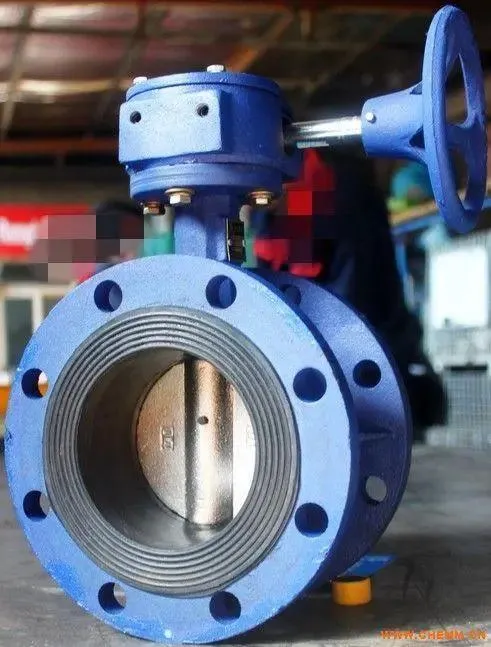
Water valves are essential components in various plumbing systems, controlling the flow of water in residential, commercial, and industrial applications. These valves come in several types, each serving specific functions and offering different advantages. Understanding the various types of water valves is crucial for efficient plumbing design and maintenance. One of the most common types of water valves is the gate valve. This valve operates like a gate that lifts to allow water flow and descends to block it. Gate valves are primarily used in applications where a straight-line flow of water and minimal pressure loss are required. They are ideal for on/off control but are not recommended for throttling applications since partial opening can cause erosion over time. . Then we have the ball valve, known for its durability and ability to provide a tight seal. The valve uses a spherical disc that rotates to control water flow. Ball valves are excellent for quick shut-off and are widely used in various applications, including plumbing, heating, and gas services. Their straightforward design and reliability make them a popular choice among professionals. water valve types The check valve is another critical type designed to prevent backflow in the system. These valves allow water to flow in one direction only, ensuring that the system remains pressurized and preventing the risk of contamination from backflow. They are commonly used in water supply systems and pumps to maintain efficiency and safety. For applications requiring automatic control, solenoid valves offer an effective solution. These electrically operated valves can be programmed to open or close based on specific signals, making them essential in automated irrigation systems and appliances. Lastly, pressure relief valves play a crucial role in safeguarding plumbing systems. These valves automatically release excess pressure to prevent pipeline damage, ensuring the system operates safely and efficiently. In conclusion, selecting the right water valve type depends on the specific needs of the plumbing system. Each type—gate, globe, ball, check, solenoid, and pressure relief—comes with unique features that serve different functions. Understanding these valves allows for more efficient water management and contributes to the longevity of plumbing installations.
about
oval led bathroom mirror
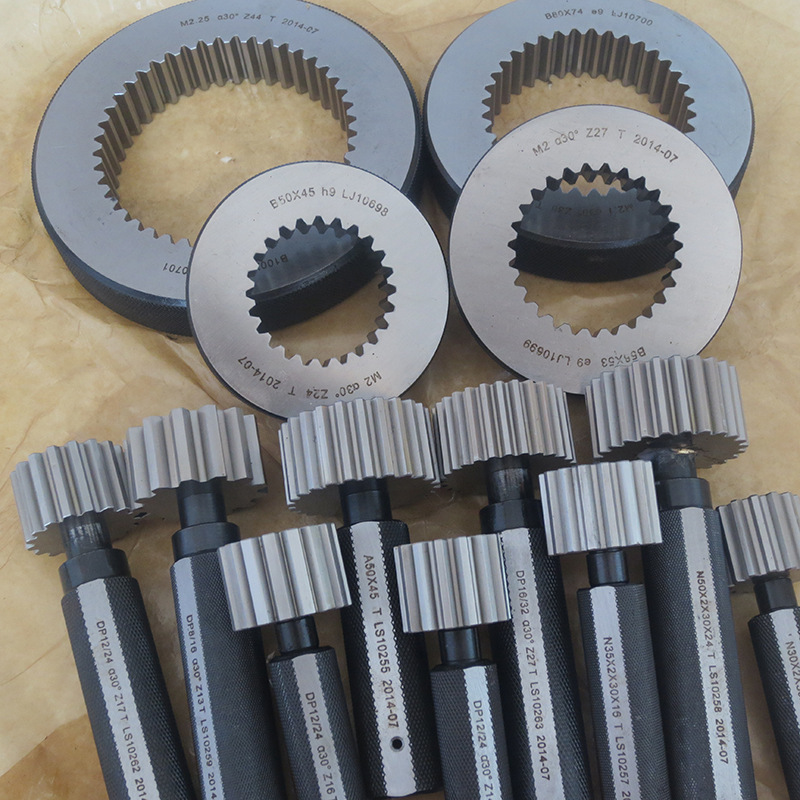
Understanding Limit Snap Gauges Precision Tools for Accurate Measurement In the realm of engineering and manufacturing, precision is paramount. One tool that has stood the test of time in ensuring dimensional accuracy is the limit snap gauge. This instrument plays a crucial role in quality control and assurance, helping artisans and engineers maintain strict tolerances across varied applications. This article delves into the fundamental aspects of limit snap gauges their design, functionality, and advantages in industrial settings. What is a Limit Snap Gauge? A limit snap gauge is a measuring tool used primarily to check whether an object conforms to specified limits of dimension. It is essentially a go/no-go gauge, meaning it has two distinct parts one for checking the upper limit and one for checking the lower limit of a dimension. Typically utilized in conjunction with other measuring tools, the limit snap gauge allows operators to quickly assess whether a part is within acceptable tolerances. Design and Construction At first glance, a limit snap gauge may appear simple in design, but it is meticulously crafted for accuracy and reliability. Generally, it consists of two major components 1. Go Gauge This section is intended to pass through the dimensions of a part that is within the specified tolerance. If the part fits through the go gauge, it indicates that the dimension is within the acceptable limits. 2. No-Go Gauge Conversely, the no-go gauge is designed to not fit within the specified dimension. If the part fits through the no-go gauge, it signals that the dimension exceeds the acceptable limits. These gauges are usually made from high-grade steel or other durable materials to withstand wear over time. Additionally, the contact surfaces are often finely ground, ensuring minimal friction and enhancing the gauge's longevity. Functionality limit snap gauge Using a limit snap gauge is straightforward, making it an invaluable tool on the shop floor. The operator begins by identifying the critical dimension of the workpiece that needs to be measured. Next, they will first check the part against the go gauge. If the part fits, the operator then proceeds to check it against the no-go gauge. If the part passes both checks, it is deemed acceptable. The efficiency of this measuring technique is clear. It allows for rapid assessments without the need for complex measurements, thus saving time and increasing productivity. Furthermore, such tools eliminate much of the uncertainty that may accompany traditional measuring methods, where subjective interpretation can lead to potential errors. Advantages of Limit Snap Gauges 1. Simplicity and Speed As mentioned, limit snap gauges allow for quick evaluations. They are user-friendly and can be utilized by operators with minimal training, enabling faster production cycles. 2. Reliability The design of limit snap gauges reduces the risk of measurement errors. With clearly defined go and no-go limits, users can trust in the accuracy of the measurements being conducted. 3. Cost-Effectiveness By ensuring that parts are produced within specified tolerances, limit snap gauges help reduce material waste and the costs associated with reworking or scrapping defective parts. 4. Versatility Limit snap gauges can be tailored for various applications across different industries—from automotive and aerospace to consumer goods manufacturing. They can be designed for a range of dimensions, accommodating diverse products and specifications. Conclusion In conclusion, limit snap gauges are indispensable tools in quality control and precision measurement. Their straightforward design, coupled with their rapid functionality, allows manufacturers to maintain stringent quality standards while enhancing productivity. As industries continue to evolve, incorporating advanced technologies and methods, the importance of effective tools like limit snap gauges remains unwavering. Embracing such measurement techniques not only fosters precision but also cultivates a culture of quality in manufacturing, leading to improved product reliability and customer satisfaction. As the manufacturing landscape grows increasingly competitive, the implementation of reliable measurement tools like limit snap gauges will continue to be a key differentiator for success.
-

High quality industrial productsagement

High quality industrial products
View Details -

Meet the diverse needs of customers

Meet the diverse needs of customers
View Details -

Strict quality control

Strict quality control
View Details -

Top raw materials

Top raw materials
View Details -

Trusted supplier

Trusted supplier
View Details
Our application

news and information
welding table total tools
The Essential Role of a Welding Table in Tool Management and Efficiency In the realm of metalworking
v block & clamp
The Importance of V-Block and Clamp in Precision Workholding In various machining and manufacturing

Versatile Portable Welding Table for Convenient and Efficient Metal Projects
The Versatility and Importance of Portable Welding Tables In the realm of metalworking, welding stan
 English